 Source: Federal Trade Commission: Consumer Information
If you used the IRS’s non-filers tool before May 17 and claimed at least one qualifying child, the IRS mistakenly failed to send you $500 per qualifying child.
To correct this, the IRS is sending money to those people who were affected. (If you used the non-filers tool after May 17 and claimed at least one qualifying child, your stimulus payment did include $500 per qualifying child.)
You don’t need to do anything to get your money. The IRS began making direct deposits on August 5, 2020 and mailing checks and debit cards on August 7, 2020. You can check the status of your payment at irs.gov/coronavirus/get-my-payment.
The IRS won’t contact you about your payment. If someone does, it could be scam. Get the FTC’s latest information about Coronavirus scams at ftc.gov/coronavirus/scams.
 Source: Federal Trade Commission: Consumer Information
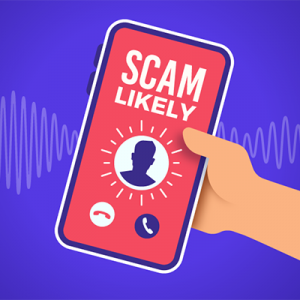 Many of us are paying close attention to the guidance from federal, state, and local governments during this COVID-19 health emergency. Unfortunately, scammers are also paying attention. Some are even pretending to be affiliated with the government – just to scam you out of money.
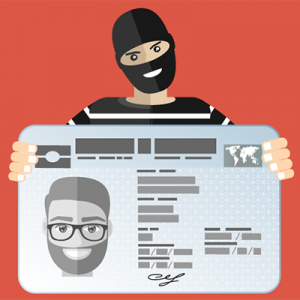 At MutualOne Bank, we take safeguarding your financial information seriously. Unfortunately, fraudsters are always looking for ways to take advantage of the system.
 You’ve probably heard the news by now – the government is sending out relief checks as part of the federal response to the Coronavirus. Scammers heard the same thing, and they’re hoping to cash in on yours.